
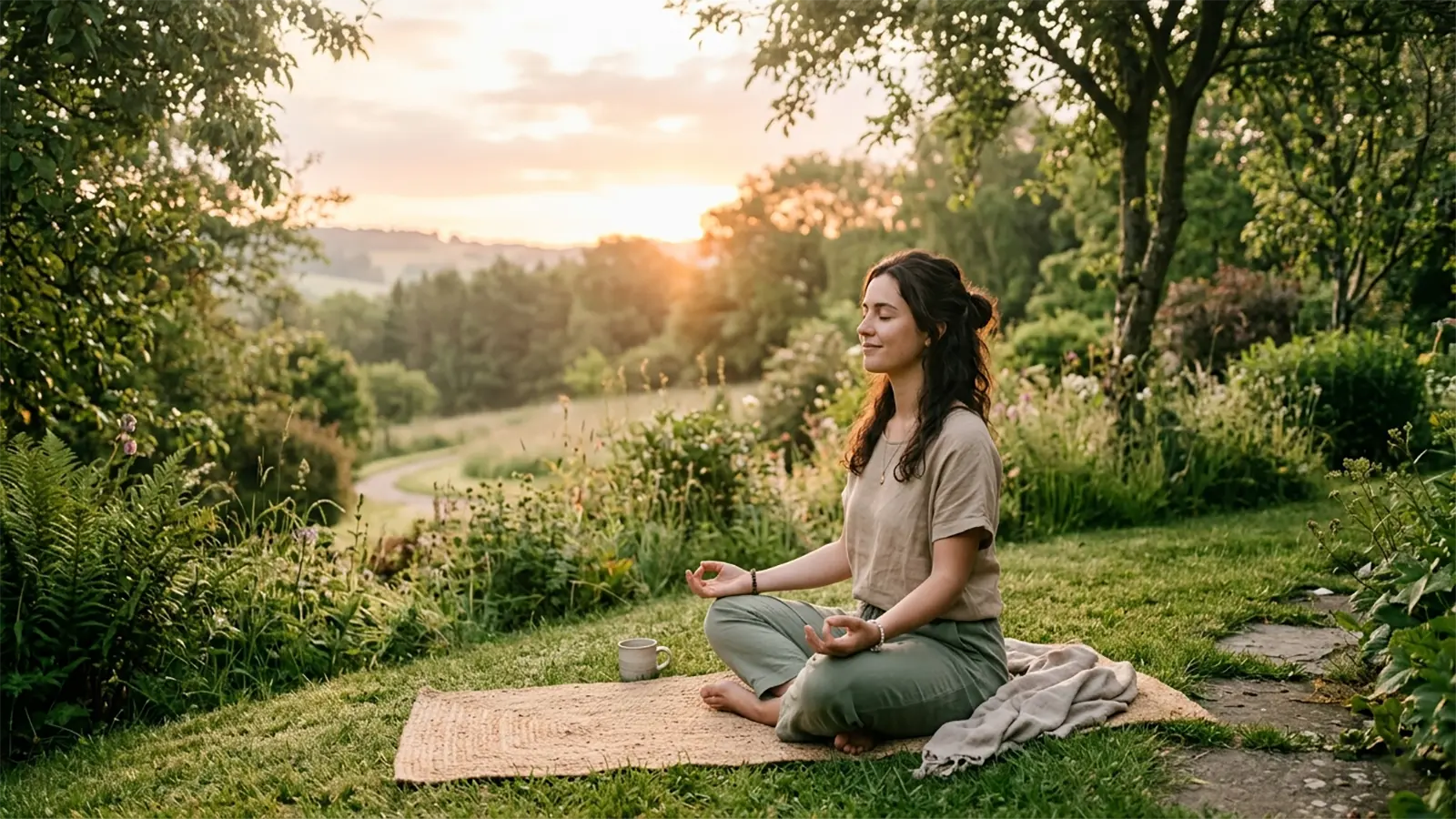
How to Improve Mental Health in Daily Life
A person in good mental health can manage life’s stresses, recognize their potential, learn and work effectively, and give back to their community. It is a fundamental human right with both intrinsic and practical value. Everybody experiences mental and emotional health differently, and it is a complex continuum. A wide range of structural, familial, community, and individual factors may come together at any given time to support or compromise mental health. People who are exposed to unfavorable situations need to have improve mental health conditions, even though the majority of people are resilient in nature.
As a result, mental health conditions encompass mental disorders, psychosocial disabilities, and other mental states linked to substantial distress, functional impairment, or self-harm risk. Treatment gaps are widespread worldwide, and health systems continue to be severely underfunded, even though many mental health conditions can be effectively treated at comparatively low costs.
Establish a healthy sleep routine
Sleep and mental health are closely linked; getting too little or inconsistent sleep can make you more prone to stress, irritability, and depression. Aim for 7 to 9 hours of sleep each night and try to keep regular sleep and wake-up times. Reduce your evening caffeine intake, create a calming bedtime routine, and keep electronics out of the bedroom. Getting enough good sleep is one of the best ways to preserve mood stability and brain function.

What is good mental health?
Good mental and emotional health is more than just the absence of mental illness, which means you are in a state of well-being where you feel good and function well in the world.
According to the World Health Organisation (WHO), good mental health is when you can:
- Cope with the normal stresses of life
- Learn and work productively
- Use your talents and abilities
- Contribute to your community
Therefore, if you have good mental health, you might feel
- Happy most of the time
- Hopeful
- Confident
- At peace
- Generally satisfied with life
- Connected to other people
- A sense of meaning or purpose
Not only this, but you might also feel that you are contributing to society.
However, even people with good mental and emotional health sometimes feel uncomfortable, such as:
- anxiety
- sadness
- fear
- guilt
- disappointment
- grief or loss
So having good mental health helps you experience these feelings without feeling overwhelmed and bounce back afterwards.
Everyone has different challenges in life. People who have good mental health are more likely to be able to cope with the ups and downs of their daily life.
10 ways to improve mental health in Daily Life
- Eat well: The food that we eat can influence the development, management, and prevention of numerous mental health conditions, including depression and dementia. Eating a well-balanced diet that includes a healthy amount of protein, essential fats, complex carbohydrates, vitamins, minerals, and water can improve mental health.
- Get moving: Physical activity releases feel-good chemicals like endorphins and serotonin in the brain to help improve mental health. Engaging in physical activity with others, whether as a shared experience or in a group, also helps build social connections, which further protects your mental well-being. Aim for 30 minutes of physical activity each day, though even a 10-minute brisk walk can help boost mental alertness, energy, and mood.
- Quit Smoking: Some people with poor mental health believe that smoking relieves their symptoms, but these effects are only short-lived. In the long term, smoking actually increases anxiety and tension and encourages the brain to switch off its mechanism to produce the feel-good chemical dopamine, creating a vicious cycle of nicotine addiction.
- Manage your stress: One must manage their stress, as it can lead to physical consequences, such as the following:
- digestive issues
- Sleep problems
- changes in appetite
- changes in energy levels
- headaches.
- Learning to cope with stress healthily can help you become more resilient to life’s challenges and maintain your mental and physical health. Meditation is a useful technique for calming your body, focusing on the here and now, and slowing down racing thoughts. Walking or yoga is also a great way to manage stress.
- Get enough sleep: Good quality sleep is an essential component of living a healthy life, as it is the body’s opportunity to rest. Try to establish a healthy sleep routine by going to bed and waking up around the same time each day, including on weekends or your days off. Adults need 7 hours of sleep or more each night, so send yourself to bed at an appropriate time. One of the best things to induce sleep is to try to reduce your exposure to blue light from phone screens, TVs, or computers at least 2-3 hours before bedtime.
- Take breaks from social media and news stories: It’s better to be informed, but a continual bombardment of negative news stories to ourselves and others online can be upsetting. Consider limiting your exposure to news and social media content to a couple of times a day. Instead, concentrate on spending time with loved ones, reading, going outside, and enjoying the little things in life.
- Connect with others: Our need to connect socially as humans is as basic as our need for food, water, and shelter. Poor mental health outcomes can result from feelings of isolation or loneliness. Make time for quality time with your loved ones and stay in touch with them on a regular basis. Join a group focused on your favorite hobby or interest, or challenge yourself to try a new activity outside of your comfort zone and see if you like it. Additionally, volunteering is a fantastic way to meet new people and discover greater meaning in your life. Having different types of people in our lives can provide a greater variety of perspectives to help us with life’s many challenges.
- Be creative and listen to music: Listening to or playing music is a good stress reliever. It can provide a mental distraction, lessen muscle tension, and lower stress hormones. Turn up the volume and let your mind be absorbed by the music. If music is not one of your interests, then turn your attention to another hobby you enjoy. For example, try gardening, reading, sketching, or sewing. Or try another that makes you focus on what you are doing rather than what you think you should be doing.
- Seek counseling: If new stressors are making it difficult for you to cope and self-care measures aren’t working, you should consider therapy or counseling. Therapy may also be beneficial if you are feeling overwhelmed or trapped. You may also consider therapy if you are constantly worried or have difficulty carrying out daily routines or meeting obligations at work, home, or school. Professional counselors or therapists can assist you in identifying stressors and developing new coping strategies.
- Laugh more: A good sense of humor is not a cure-all. Even if you have to force a fake laugh through your grumpiness, it can make you feel better. Laughing relieves your mental burden. Positive physical changes in the body are also brought about by it. Laughing sets off your stress response, which is subsequently subdued. So watch a comedy, read some jokes, tell some jokes, or just hang out with your funny friends. Instead, try practicing yoga while laughing.
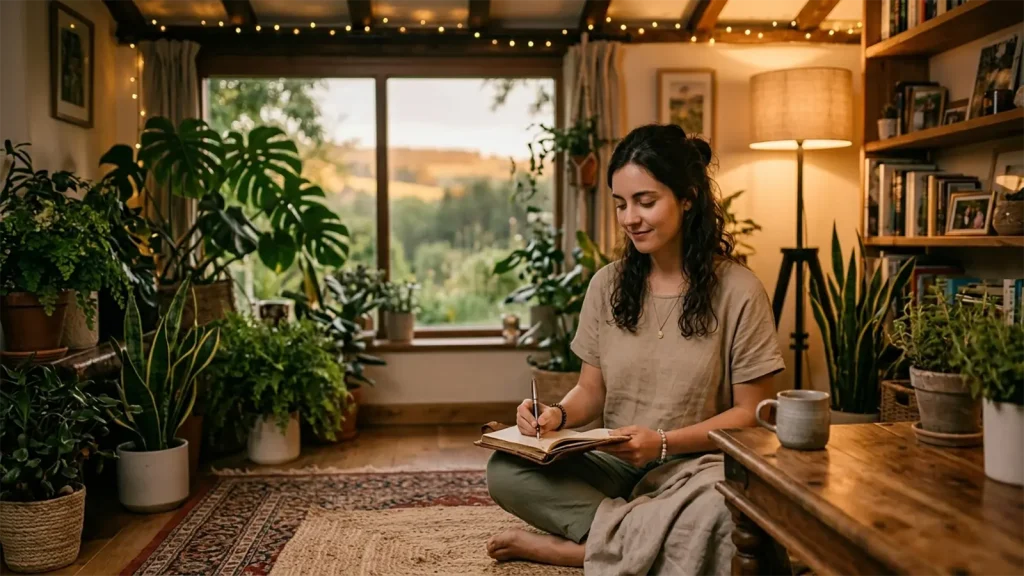
Mental wellness tips
- Take on a do-it-yourself project, such as fixing a broken bike, a garden gate, or something bigger. The internet offers a plethora of free video tutorials.
- Learn to paint, start a blog, or take up a new sport as difficult hobbies.
- Think about enrolling in a class at a nearby college. You could try learning a new language or a practical skill like plumbing.
- Consider learning a new cooking technique. Discover how to eat a healthy, well-balanced diet.
- You may even think about taking on a new position at work. For instance, you can mentor staff members or your juniors and help improve your presentation skills. These mental wellness tips will help you feel less stressed and more at ease.
Also Read
Pay attention to the present moment
Concentrating more on the present moment can improve mental health. This includes your surroundings, your body, and your thoughts and feelings. It can help you become more self-aware and enjoy life more. This awareness is sometimes called “mindfulness.” It can positively affect how you approach challenges and how you view life.
Wrapping Up
In this article, we have covered the information on how to improve mental health in daily life and its ways. Even though most people are tough, we now know that those who are vulnerable to adverse situations are more likely to develop a mental health condition.
Frequently Asked Question
How to boost mental health?
Focus on regular exercise, a healthy diet, regular sleep (7–9 hours), and maintaining social connections to improve mental health. Limit alcohol and nicotine, set reasonable goals, and cultivate mindfulness and gratitude. The secret to long-term wellness is actively managing stress through hobbies and getting expert assistance when necessary.
What is the 3-3-3 rule in mental health?
A very easy method that can help you regain control and relax your mind is the 3-3-3 rule. In essence, you have to name three things you can see, three things you can hear, and three ways you can move your body.
How can I help myself?
Maintaining a healthy routine (diet, exercise, sleep), establishing clear boundaries, and reducing stress through hobbies or mindfulness are all examples of consistent self-care that should be prioritized.
What are coping skills for anxiety?
Deep breathing, mindfulness, grounding methods (such as the 5-4-3-2-1 method), and physical activity to relieve tension are all effective coping strategies for anxiety. Journaling, cutting back on caffeine, and setting aside “worry time” are examples of daily routines that help control anxiety levels.
What are 5 signs of poor mental wellbeing?
Extreme mood swings, drastic changes in sleep or appetite, extreme exhaustion or low energy, severe withdrawal from friends and social activities, and persistent low mood or sadness are five major indicators of poor mental health.
What drink calms anxiety?
Warm milk, chamomile tea, green tea with L-theanine, lavender tea, and lemon balm tea are all calming beverages that help ease anxiety.
What is the #1 worst habit for anxiety?
The following daily routines could be exacerbating your anxiety:
Insufficient sleep
Too much caffeine
Unhealthy eating patterns
Having too much on your plate
Overuse of screens